
The United Nations is a large, complex organization. With tens of thousands of employees, a budget of over $60 billion (USD), touching every part of the World, understanding the structure of the UN may seem daunting. Below is a brief overview of its structure, and why some reform may be in the best interest of the World.
The United Nations - Overview of a Complex Structure
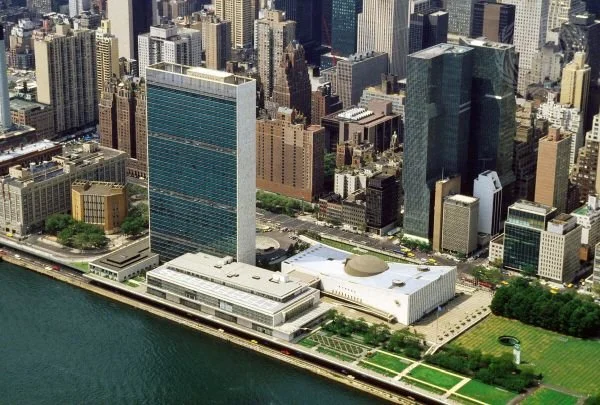
UN Photo/Yutaka Nagata
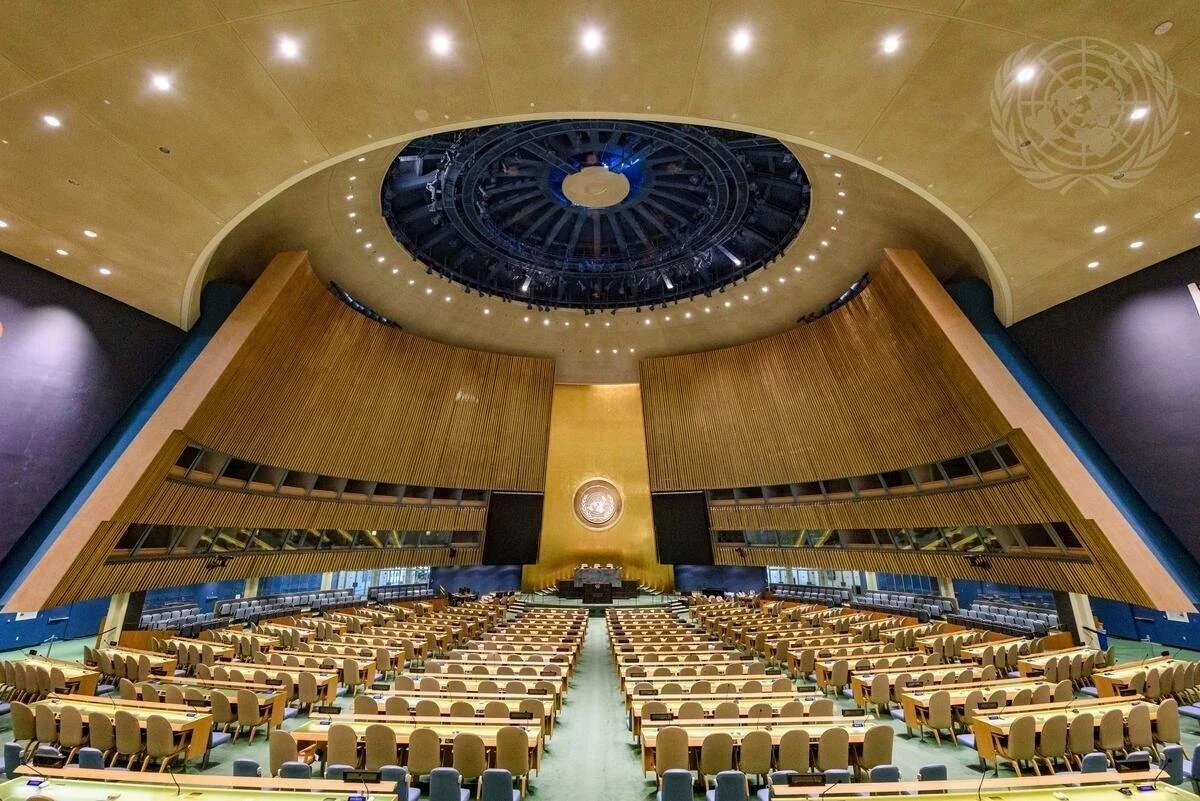
UN Photo/Manuel Elías
The Basics - Five Principal Organs
The United Nations (UN) is comprised of five main bodies.
General Assembly
Security Council
International Court of Justice
Economic and Social Council
Secretariat
UN Photo/Andrea Brizzi
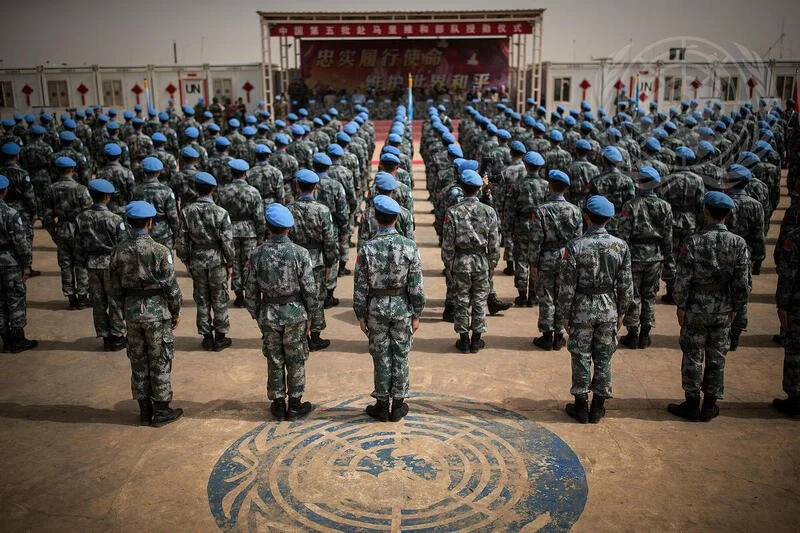
UN Photo/Harandane Dicko
General Assembly
The policy-making body of the UN. When people think of the UN, they probably are thinking of the General Assembly, where delegates from across the world meet each year. The General Assembly is also comprised of numerous commissions, committees, and other ad hoc bodies. These include the UN Environmental Programme (UNEP), the UN Conference on Trade and Development (UNCTAD), and many more.
Security Council
Responsible for international peace and security. Investigates disputes, provides recommendations for settlement, and can even take military action against aggressors. Despite world-wide powers, it is comprised of only 15 member countries. Some, including the US, China, and Russia, are permanent members. Others serve a 2-year term. The infamous “Peacekeepers” are established by the Security Council, though the Secretariat manage the group.
International Court of Justice
Sitting in The Hague, Netherlands, the International Court of Justice (ICJ) settles legal disputes between member States and can give advisory opinions to UN agencies. The ICJ typically does not handle criminal matters or matters involving individuals. While having noble goals, the ICJ suffers enforcement and structural challenges, such as jurisdiction, slow procedure, selectivity, and bias.
Economic and Social Council
The Economic and Social Council seeks to advance economic, social, and environmental development. It is comprised of many committees, commissions, forums, and other related bodies. It seeks to promote sustainable development, coordinate humanitarian action, engage youth, and other global issues.
Secretariat
The UN Secretariat carries out the day to day work of the United Nations. It includes internal bodies such as Audit and Legal divisions, communications, ethics, and some justice tribunals.
This is a very high-level overview of the basic United Nations structure. However, the more you dig the more confusing the structure becomes. This confusion is a natural byproduct of the organization’s rapid growth in the second half of the 20th century, and it’s unique position of low accountability to the tax-paying public of the World. The UN has grown without shape, and is more of a spiderweb of committees, commissions, offices, departments, segments, groups, boards, and other entities (all terms used in United Nations nomenclature). To put the confusion in perspective, we present an example of UN groups relating to “development” initiatives:
Executive Board of the UN Development Programme and of the United Nations Population Fund, UN Environment Assembly of the UN Environment Programme, Ad Hoc Open-ended Working Group of the General Assembly to follow up on the issues contained in the Outcome of the Conference on the World Financial and Economic Crisis and Its Impact on Development, Open-ended Working Group on the Causes of Conflict and the Promotion of Durable Peace and Sustainable Development in Africa, Second Committee of the UN General Assembly, Third Committee of the UN General Assembly, Commission on Population and Development, Commission for Social Development, Commission on Science and Technology for Development, Committee for Development Policy, Office of Intergovernmental Support and Coordination for Sustainable Development, Humanitarian Affairs Segment of the ECOSOC, Operational Activities for Development Segment of the ECOSOC, High-Level Political Forum, Development Cooperation Forum, Multi-stakeholder forum on science, technology, and innovation for the Sustainable Development Goals, Youth Forum, Forum on Financing for Development follow-up, Department of Economic and Social Affairs, Office of Intergovernmental Support and Coordination for Sustainable Development, Division for Sustainable Development Goals, Financing for Sustainable Development Office, Capacity Development Programme Management Office, Division for Inclusive Social Development, UN Sustainable Development Group System-Wide Evaluation Office, UN Educational, Scientific, and Cultural Organization, United Nations Industrial Development Organization, World Meteorological Organization, and the list goes on….
You get the idea. And do you think all of these various groups communicate with each other and make sure they aren’t overlapping or providing conflicting guidance to the world?
While “development” is a broad term, it is just one issue of many global issues that the UN seeks to address. Some equally as broad issues they address include: Peace, Security, Refugees/Migrants, Ageing, Climate Change, Crisis Response, Disarmament, Democracy, Human Rights, Health, the Oceans, Water, etc…
Each of these global issues also has its own web of groups. Thus, navigating and understand the structure of the United Nations is a daunting challenge.
ERGF commends the United Nations for the work they have done in the past, but encourages global citizens to look closer at how its collective tax dollars are used by the UN. Layers of complexity, bureaucracy, and separately managed groups that do similar or even overlapping tasks are not in the World’s best interest. Wasteful spending could be better used by small, localized non-profits.
Grassroots organizations are the heart of the World. Non-profit organizations like ERGF are local, lean, and move quick. As we noted in a recent newsletter, as non-profits grow and become bloated with committees and layers of programs, executive compensation seems to grow as well. Some large envrionmental non-profits are just smaller versions of the UN, complete with complicated webs of departments, overhead, and bloat.
Support your local non-profit. Communities need our support, and we need yours. The huge, complex organizations of the world aren’t going to do it.
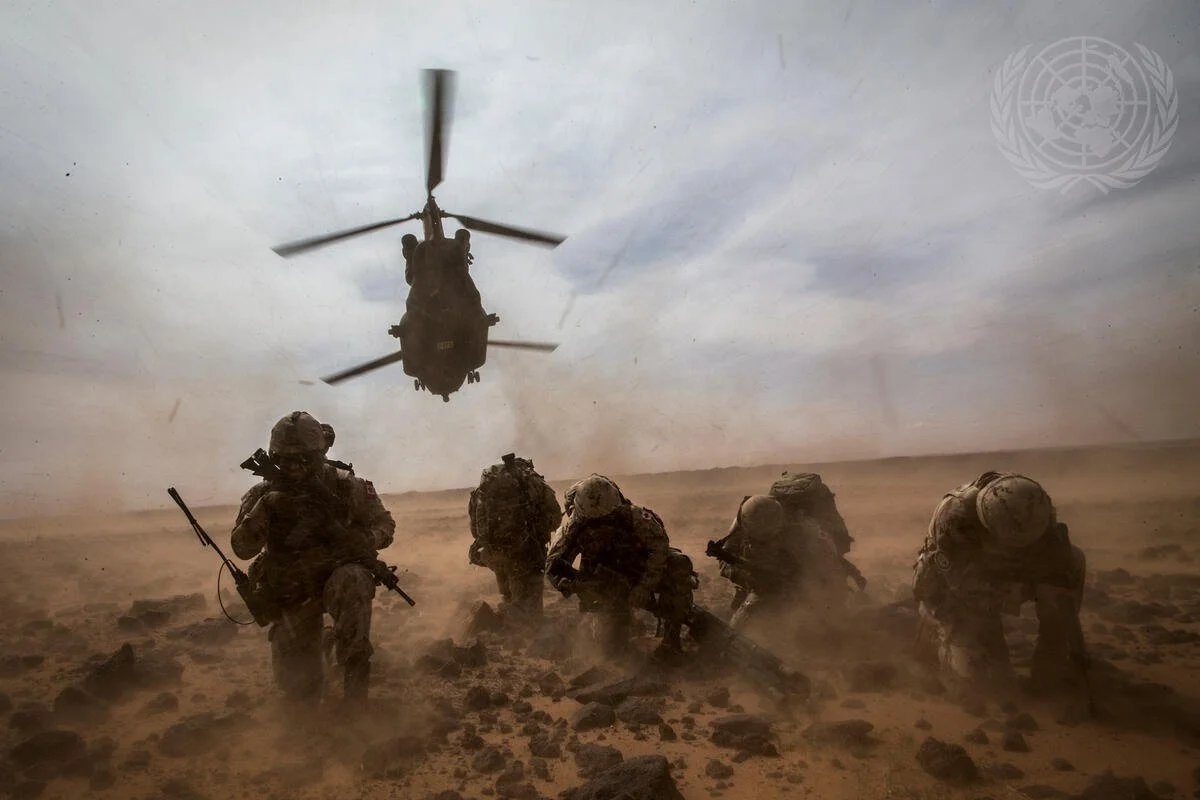
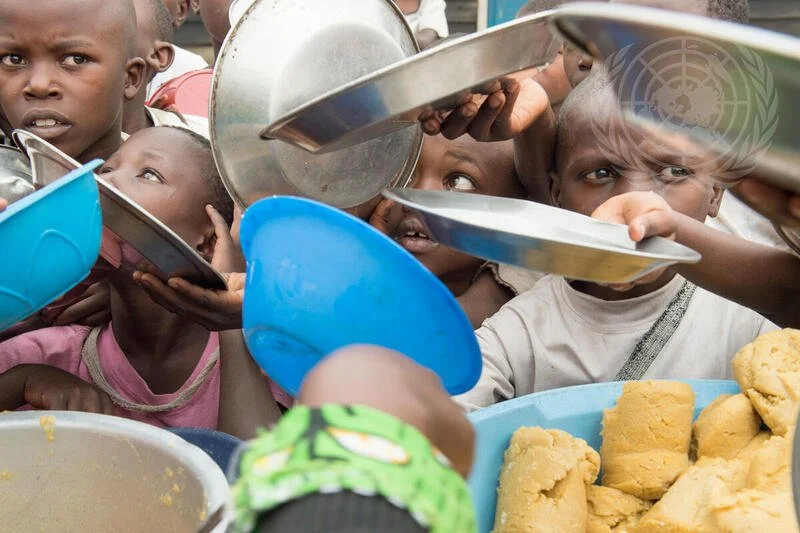
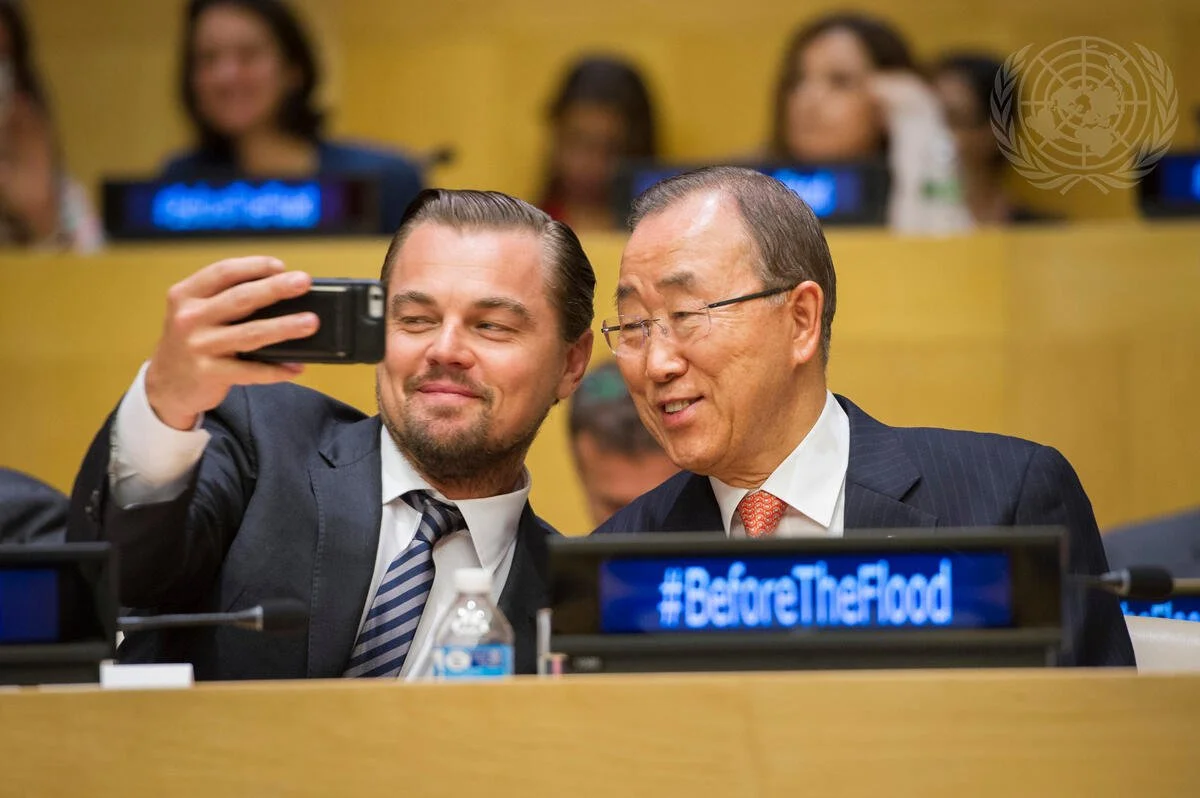
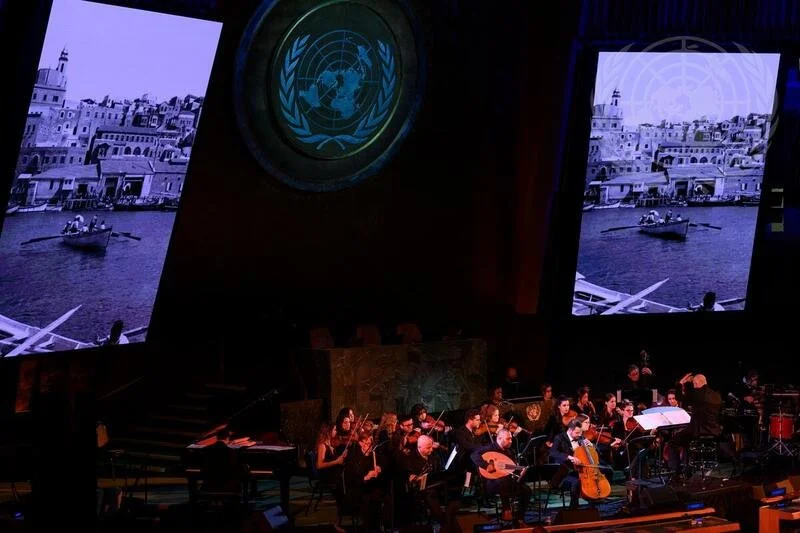
Interesting images courtesy of the United Nations, showing the people they seek to serve, but how higher-up staff spend their time: Parties, orchestral concerts, wine, banquets, selfies with celebrities, etc. An interesting juxtaposition, indeed.

UN Photo/Manuel Elias
UN Photo/Marco Dormino
UN Photo/Eskinder Debebe
UN Photo/Rick Bajornas
UN Photo/Loey Felipe
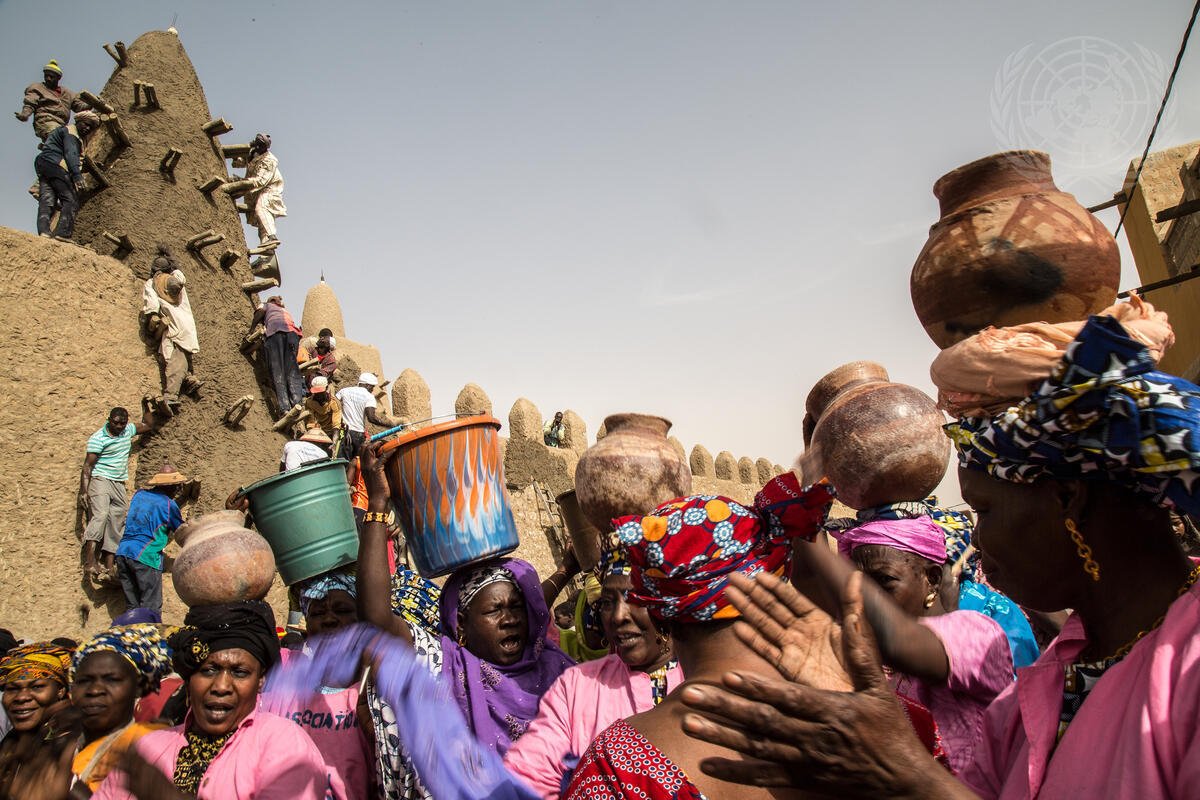
UN Photo/Tiecoura N’daou
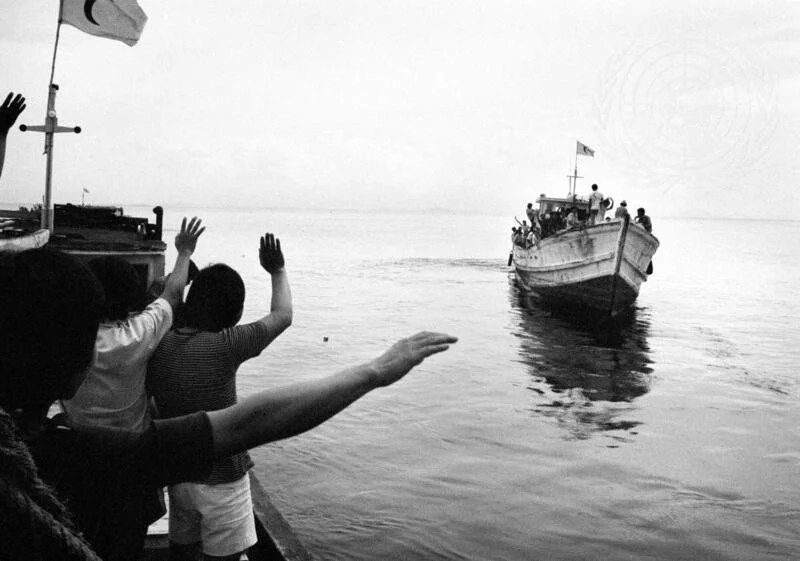
UN Photo/John Isaac
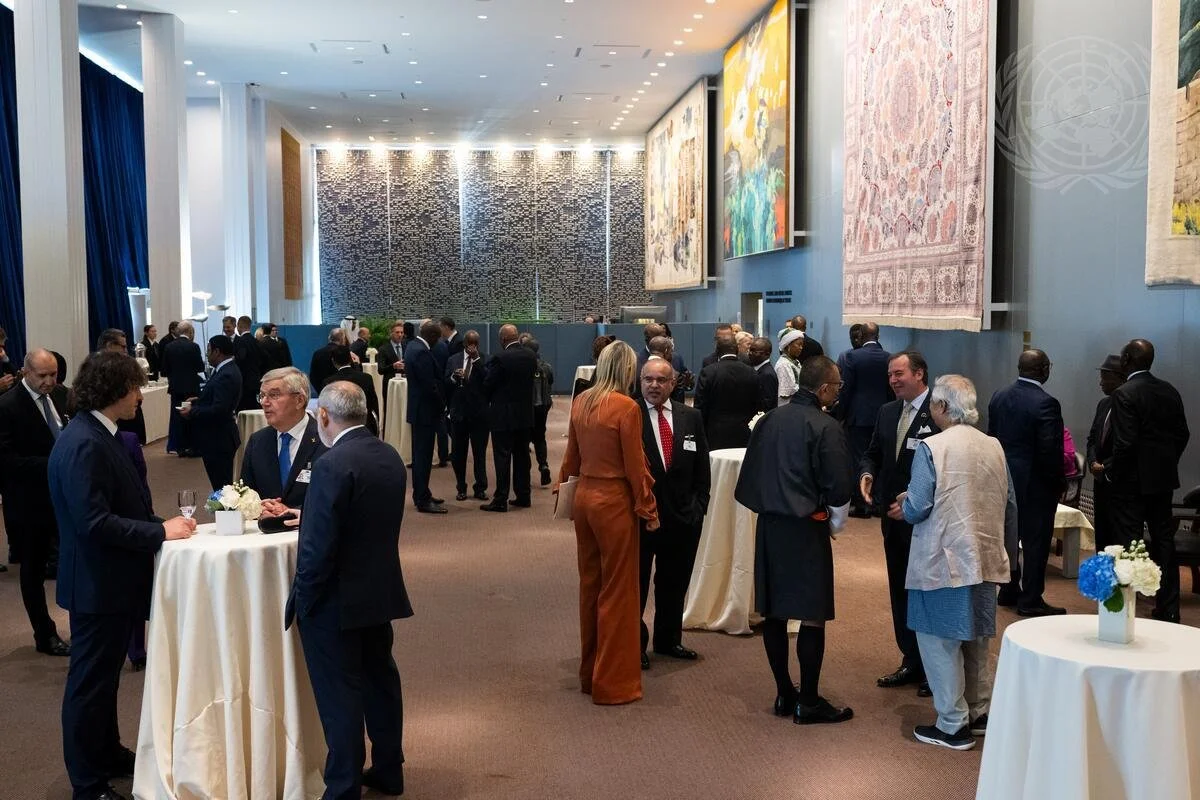
UN Photo/Manuel Elias